
Going Solar
Shouldn’t Be
Complicated
Minimal Ongoing Effort — Solar panels have no moving parts, they require little to no maintenance (rain cleans them), and come with 25+ year warranties.
Monitoring apps let you check production from your phone — set it and forget it. Same power, cheaper cost —power comes from the roof and right into your home!
FAQ’s from Other Homeowners
Here’s some Frequently asked questions asked by your neighbors. SolBright’s goal is to make going solar as seamless as possible
Good Investment for my Family?
No two homes are the same when it comes to solar installations. That fact rings true for home value as well. Where you live in the U.S. can greatly impact the value of your home when you install solar panels. The region, state, and even the city you live in can make all the difference.

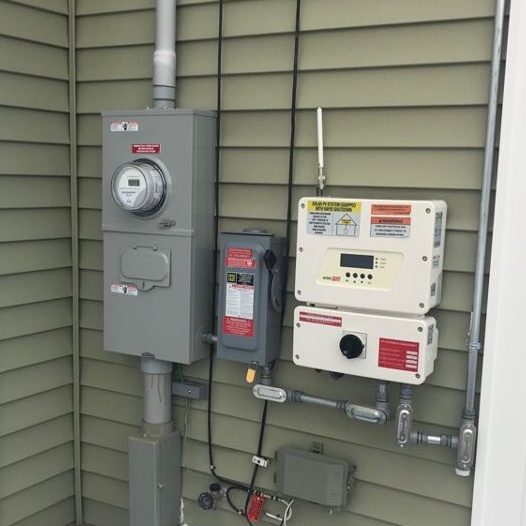
What is Net Metering
Net metering is the policy that really enables your solar to work for you. In most US states, there is a policy that says for every kilowatt hour that you put into the grid, you will receive a credit for that kilowatt hour. If your solar system produces 10 kilowatt hours of energy, and it puts those 10 kilowatt hours into the grid, that's 10 kilowatt hours you get back. That's what net metering is.
What are the Options?
Cash Purchase: Offers the highest long-term savings, immediately increases property value, and makes the owner eligible for all incentives, including the 30% federal tax credit.
Solar Loans: Similar to home improvement loans, these allow for $0-down, with monthly payments often lower than previous electric bills.
Solar Lease: A third-party owner installs panels, and the homeowner pays a fixed monthly fee to use them. Our provider handles maintenance, but the homeowner does not get tax credits.
PPA (Power Purchase Agreement): Homeowners pay a set, typically discounted, rate for the electricity produced, rather than for the equipment itself.
How Do I Know Solar is for Me?
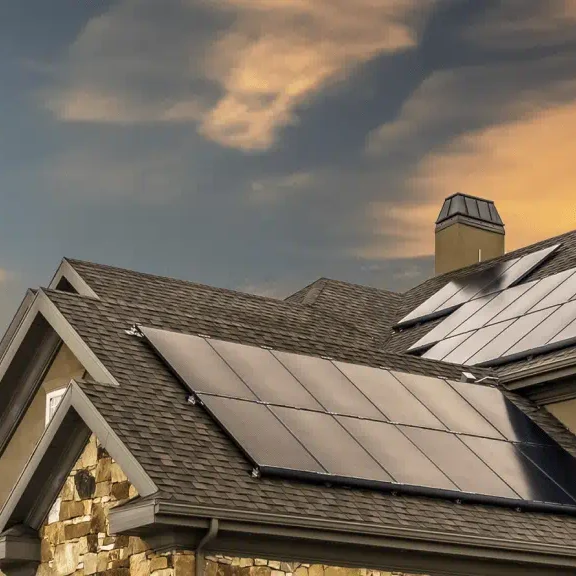
Direction: South-facing roofs are ideal, but east- and west-facing roofs are still efficient. North-facing roofs are typically poor candidates.
Shade: Your roof should have minimal shade from trees or neighboring buildings, especially during peak sun hours (typically 11:00 a.m. to 2:00 p.m.).
Condition & Age: If your roof needs replacement within the next 5–10 years, it is best to do it before installing panels.
Usage: If your average monthly utility bill is over $75–$100, solar is likely a great investment.
Rates: Higher local electricity rates mean faster payback times for your solar system.
Sunlight: While sunnier regions (like the Southwest) are ideal, modern panels are efficient enough to make solar worthwhile in less sunny areas.
Shining Brighter, Powering Forever!
Process and Involvement
So what happens when you sign an agreement to go solar with SolBright? Actually, the agreement is the hardest part! Once you sign your agreement, we do the rest! We will assign you a dedicated project manager that will keep you posted through every step of your project.
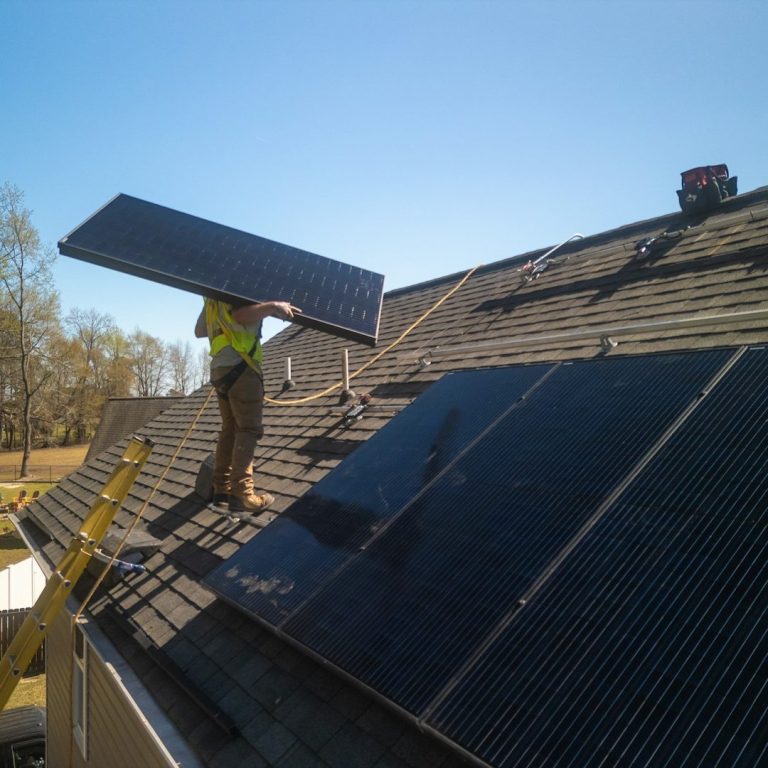
Next, we will schedule your site analysis. After, we create the design that gets submitted to the City to receive a construction permit. Once the permit is received and approved, we schedule your installation, which typically takes 1-3 days depending on the size of your system.
After we finish installing the solar system on your house, we schedule the city inspector and/or your utility company to approve the installation and give you what is called “permission to operate”, or PTO. Once you have PTO, we power on your system and you can enjoy clean power for your home from sunshine. The whole process typically takes 30-60 days.
Although much of that time is simply spent waiting for permits, inspectors and approvals.
Going Solar in 2026:
What It Means for Homeowners Across the US
Powering Knowledge
SolBright Power University
Going solar in 2026 means harnessing the power of the sun to generate your own clean, renewable electricity through rooftop photovoltaic (PV) panels or a home solar system.
This shift allows you to reduce or even eliminate your reliance on traditional utility grid power, lower your monthly electricity bills, increase your home’s value, and contribute to a more sustainable energy future—all while gaining greater energy independence.
In 2026, solar energy remains a smart, viable choice for most U.S. homeowners, even as the landscape has evolved. Here’s a clear overview of what going solar entails this year, based on nationwide trends, costs, benefits, and available support.


01
Key Benefits of Going Solar in 2026
Significant Long-Term Savings
Solar systems produce free electricity from sunlight for 25+ years (with warranties often covering that period). With rising utility rates across much of the country, solar acts as a hedge against future increases, often paying for itself in 7–12 years depending on your location and energy use.

02
Key Benefits of Going Solar in 2026
Energy Independence and Reliability
Solar systems produce free electricity from sunlight for 25+ years (with warranties often covering that period). With rising utility rates across much of the country, solar acts as a hedge against future increases, often paying for itself in 7–12 years depending on your location and energy use
03
Key Benefits of Going Solar in 2026
Environmental Impact
Solar reduces your carbon footprint by displacing fossil fuel-based electricity. Widespread adoption supports cleaner air and helps combat climate change.
Key Benefits of Going Solar in 2026
Increased Home Value
Studies show solar-equipped homes sell faster and for higher prices in many markets.
04
Key Benefits of Going Solar in 2026
Grid Support and Community Benefits
In areas with strong net metering (where utilities credit you for excess power sent back to the grid), you can offset bills effectively.
05
Costs and Financial Picture in 2026
Costs and Financial Picture in 2026
A major change occurred at the end of 2025: The federal Residential Clean Energy Credit (often called the 30% solar tax credit) expired for homeowner-owned systems installed after December 31, 2025. This means no nationwide federal tax deduction is available for direct purchases in 2026.


Solar Remains Financially Attractive for most Homeowners

Constant Rising Rates
Electricity rates continue to rise faster than inflation in many regions.
Savings & Incentives
Long-term bill savings often outweigh the upfront cost. State, local, and utility incentives fill some gaps (more below).
Ownership or PPA
Allow third-party ownership, where installers or companies can still access certain federal credits (through 2027 in some cases), passing savings to you via lower monthly payments instead of owning the system outright.
The SolBright Power Process
| It's a simple process that only requires the utility bill we all pay to get started.
STEP 1
Collect Your Energy Bill
STEP 2
Review a Custom Proposal
STEP 3
Select the Best Plan
& Get Qualified
STEP 4
Start your Process
to Instant Saving!
SBPG’s Primary Promise
This is SolBright’s promise to you.
We will always provide the best value forward
We will treat you like friends and family, because you are when it comes to working with us
We will provide a diversity of products, services, and ideas to deliver the best solution for YOUR needs and solutions
We will communicate with you honestly, directly and openly throughout your solar installation process
We will support you after the sale at all times
We will welcome you to share the SolBright experience with your friends and family, and help us create a brighter and cleaner future for all

Costs and Financial Picture in 2026
Incentives and Support Vary by State
Incentives are now primarily state- and utility-specific, creating a patchwork across the U.S.:
Strong Incentive States (e.g., California, New York, Massachusetts, New Jersey): Offer rebates, performance-based incentives, state tax credits (e.g., 25% up to certain limits in NY or SC), sales/property tax exemptions, or battery-specific programs.
Moderate Support (e.g., Illinois, Minnesota): Provide exemptions or smaller rebates.
Limited or None (many Midwestern/Southern states): Rely mainly on utility net metering and overall cost savings.
01
Costs and Financial Picture in 2026
Net Metering Remains
Net metering policies remain crucial—check your utility for how generously they credit excess solar production. Some states also have programs for low-income households or batteries/EV chargers.
02
Costs and Financial Picture in 2026
Technology Advances & Growth
Higher-efficiency panels, better inverters, and integrated batteries make systems more powerful and reliable.
Battery Pairing — Increasingly popular for backup power and maximizing self-consumption.
National Growth — Renewables (led by solar) are projected to dominate new U.S. electricity capacity additions, with solar continuing rapid expansion despite policy shifts.
03
Is Going Solar Right
for You in 2026?
Yes, for most homeowners—especially if you plan to stay in your home long-term, face high electricity bills, or value sustainability. The upfront investment is recouped through decades of savings, and solar adds resilience in an era of rising energy demands (e.g., from EVs and home tech).
Assess your roof’s sun exposure and energy usage.
Get the right quote that’s based on your homes usage
Benefit from your state/utility incentives and net metering rules.
We help guide you through your financing, leasing, or cash options.
Business Hours
“Myth: Solar power causes cancer. Reality: Only if your electric bill gives you a heart attack first. Let’s fix that! ⚡”
- Mon – Fri
- 10:00 am – 06:00 pm
- Saturday
- 10:00 am – 03:00 pm
- Sunday
- Closed